

Elastomeric Linings for Pipes, Tanks, & Clarifiers in Water Treatment Facilities
Pipes, tanks, and clarifiers are vital parts of the infrastructure of water treatment facilities. As such, they are subjected to constant exposure to water, chemicals, and abrasive particles. Over time, this exposure can degrade the equipment, leading to corrosion, leaks, and costly downtime for maintenance. One of the most effective ways to protect these assets is through the application of elastomeric linings. These coatings act as a barrier between corrosive environments and facility infrastructure, ensuring long-term durability and efficiency.
Understanding Elastomeric Linings
Elastomers are rubber-like materials with high elasticity and flexibility, designed to resist the corrosive effects of harsh chemicals, friction and abrasion, and the wear and tear that results from the continuous flow of liquids, slurries and chemical compounds. These coatings are typically applied to the interior surfaces of pipes, tanks, and clarifiers, forming a protective layer that prevents damage to the underlying structure, which is often made of steel, concrete, or other materials that are vulnerable to corrosion and abrasion.
The unique properties of rubber linings make them ideal for use in water treatment facilities where they are constantly exposed to a range of chemicals used for purification, such as chlorine, acids, and alkalis. Additionally, elastomers maintain their performance in varying temperatures, making them suitable for both cold and hot water applications.
Key Benefits for Water Treatment Facilities
The properties of elastomers confer key strengths and advantages to the infrastructure of water treatment plants, including:
CORROSION RESISTANCE
One of the primary benefits of elastomeric linings is their excellent resistance to corrosion. The pipes, tanks, and other elements that typically comprise the infrastructure of water treatment facilities are at risk of corrosion due to constant contact with water and chemicals. Rubber linings provide a non-reactive barrier, preventing the corrosion of the underlying structure. This significantly extends the lifespan of the equipment.
CHEMICAL RESISTANCE
Elastomers can be formulated to resist a wide range of chemicals, including the acids, alkalis, and solvents that are commonly used in water treatment processes. This versatility ensures that the coating remains intact and effective against the specific chemicals used in a given facility.
ABRASION RESISTANCE
Water treatment often involves the movement of solid particles, such as sand or sludge, which can cause abrasive wear inside pipes, tanks, and clarifiers. Elastomeric linings offer a smooth, durable surface that minimizes abrasion, reducing the risk of leaks or material loss due to wear.
FLEXIBILITY AND RESILIENCE
Elastomeric coatings have excellent flexibility and can absorb the stresses caused by pressure changes and the movement of water through the pipes. This flexibility also means that elastomeric linings are less prone to cracking under stress, ensuring continuous protection even in high-pressure systems.
REDUCED MAINTENANCE
While the initial installation of elastomeric linings may involve an upfront investment, they reduce long-term maintenance costs by extending the life of the infrastructure. With fewer repairs and replacements needed, facilities can minimize downtime and avoid the high costs of unplanned maintenance.
Applications in Water Treatment
Water treatment facilities use elastomeric linings in several key areas, including:
PIPES
Coating pipes with rubber linings protects pipes carrying both raw and treated water. Whether transporting chemicals, sludge, or clean water, the lining ensures the pipe’s integrity remains intact over time.
TANKS
Storage tanks holding various chemicals or treated water benefit from elastomeric linings that protect against chemical degradation and corrosion. The linings also help maintain the purity of treated water by preventing any mineral leaching from the raw tank walls.
CLARIFYING TANKS AND SETTLING BASINS
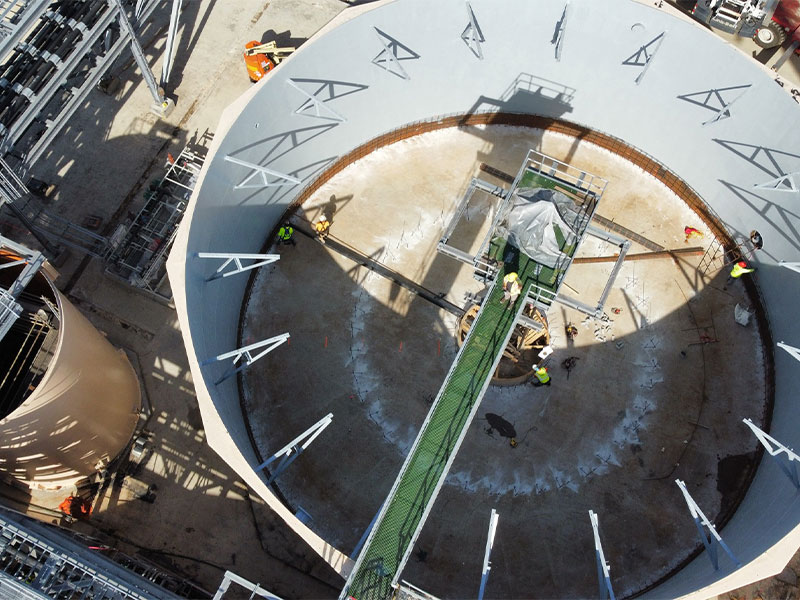
These components slow the flow rate, collecting water in shallow tanks where solid particles are allowed to settle to the bottom. An elastomeric lining in a clarifier will facilitate more efficient collection of the residual sludge from the settling process, improving performance and tank longevity.
Elastomeric Linings from Protective Coatings, Inc.
Elastomeric linings offer an essential protective barrier for water treatment facility infrastructure, improving longevity, performance, and safety. With their superior resistance to corrosion, harsh chemicals, and abrasion, these linings are a valuable investment for any water treatment operation. Companies like Protective Coatings, Inc. (Proco) offer expertise in elastomeric lining technology to help critical components of water treatment facilities withstand harsh conditions for efficient, reliable performance with minimal downtime over a longer working life.