

With rising costs, growing regulations, and dwindling natural resources, operational sustainability has become a priority across industries. While energy efficiency and emissions reduction often dominate sustainability conversations, water infrastructure is just as critical.
From large organizations with in-house wastewater treatment systems to small businesses relying on simple water storage, sustainability increasingly depends on reducing waste, preventing contamination, and extending the life of existing assets. One of the most effective ways to do this is by addressing aging water infrastructure and improving the lining of tanks, piping systems, clarifiers, and basins.
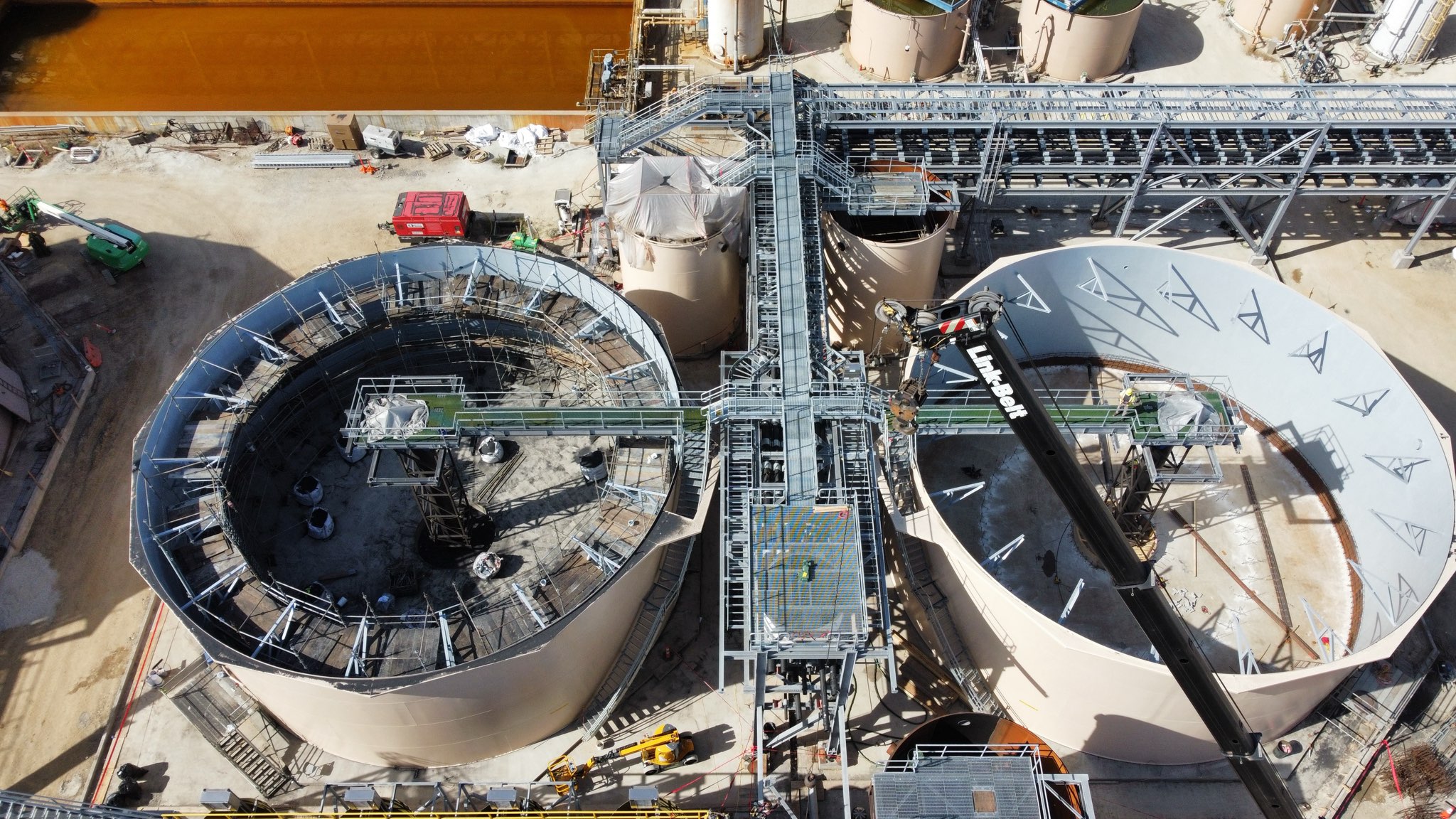
The Two Sides of Water Infrastructure Sustainability
Water alone is a powerful force that can quickly corrode metal, degrade concrete, rot wood, and erode stone. It’s also one of our most vital life-sustaining natural resources that must be safely stored, conveyed, and treated. Improving water sustainability requires a double-sided approach that prolongs equipment lifespans and reduces waste while preventing groundwater contamination. ProCo’s protective linings for tanks and water infrastructure address both sides of this challenge.
Improving the Physical Infrastructure
Water’s corrosive nature can destroy the systems that support it, steadily degrading tanks, pipes, and process equipment and leaving infrastructure vulnerable to:
- Corrosion and structural weakening.
- Leaching of metals or hazardous compounds into water supplies.
- Leaks, water loss, and premature system failure.
Even repairing or replacing a small water tank is expensive, disruptive, and resource-intensive. Without proper protection, newly installed equipment is often subject to the same degradation cycle, leading to ongoing maintenance costs and operational risks.
Protecting Natural Resources
The storage of water and process liquids plays a vital role in water conservation and environmental protection. A leaky steel tank on a small Indiana farm may seem minor until weeks of summer drought cause evaporation, mineral buildup, clogged pipes, and wasted water. At a larger scale, cracked wastewater basins, corroded chemical tanks, or failing fuel systems can release contaminants into soil and groundwater, resulting in:
- Long-term environmental damage.
- Regulatory violations and fines.
- Costly remediation and reputational risk.
Properly lined tanks and basins help prevent these outcomes by containing liquids safely and maintaining system integrity under harsh operating conditions.
How the Lining of Tanks Affects Sustainability
While often overlooked, the lining of tanks is a foundational component of sustainable water infrastructure, directly impacting the safety and efficiency of this critical resource. A properly selected and expertly applied lining protects the tank’s interior, improves operational reliability, supports environmental stewardship, and reduces the total cost of ownership across the entire system.
- Asset lifespan & lifecycle costs: Durable linings reduce the frequency of repairs and replacements.
- Water quality & public health: Linings prevent corrosion byproducts and contaminants from entering water supplies.
- Water & energy consumption: Leak prevention reduces water loss and the energy required for pumping and treatment.
- Material use & operational costs: Rehabilitating existing assets minimizes raw material consumption and construction waste.
Supporting Water Conservation and Sustainability
As water scarcity, drought conditions, and supply volatility become more common, the way water is stored and protected has a direct impact on conservation efforts. Even small losses from leaks, evaporation, or degraded infrastructure can compound over time, straining limited resources and increasing operating costs. Durable tank linings play a crucial role in preserving stored water and maintaining system reliability, particularly during prolonged dry periods or fluctuating demand.
ProCo’s lining solutions help organizations:
- Offset risks associated with drought and water shortages.
- Preserve stored water during extended dry conditions.
- Prevent contamination of groundwater and surrounding ecosystems.
- Maintain reliable infrastructure during fluctuating operating cycles.
Regulatory Compliance Considerations
Regulatory expectations surrounding water infrastructure continue to evolve, with greater emphasis on water quality, environmental protection, and safe operating practices. Aging or poorly protected tanks and basins increase the risk of leaks, contamination, and noncompliance, exposing organizations to regulatory scrutiny, fines, and costly remediation. Proactive protection through advanced linings helps reduce these risks while supporting long-term compliance strategies.
Sustainable Water Infrastructure Starts with Protective Coatings
Investing in protective linings for tanks is one of the most effective ways to reduce maintenance requirements and enhance operational sustainability. By extending asset life, conserving water, preventing contamination, and supporting regulatory compliance, ProCo’s linings help organizations turn aging water infrastructure into a resilient, long-term asset. Contact us today to learn more.