

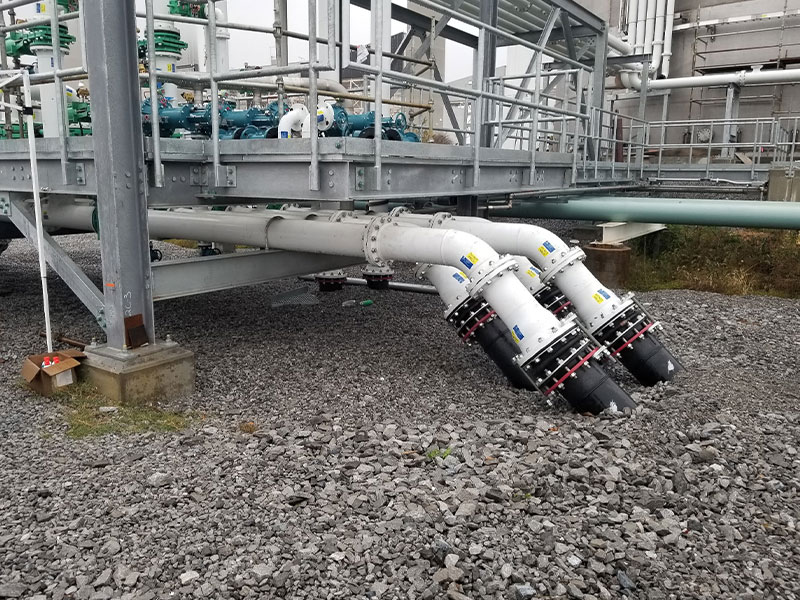
A Guide to Selecting the Best Abrasion-Resistant Piping for Your Project
Selecting the right abrasion-resistant piping is essential for industries handling highly abrasive materials, such as mining, wastewater treatment, and chemical processing. The right piping system can extend service life, reduce maintenance costs, and ensure operational efficiency. Here’s how to choose the best solution based on your project’s specific needs.
1. Assess the Type and Severity of Abrasion
Different materials create varying levels of abrasion. Fine particulates in slurries, for instance, cause different wear patterns compared to larger, jagged solids. Understanding the nature of the abrasive material—whether it’s high-velocity slurry, dry particulates, or corrosive substances—will help determine the ideal pipe material and lining.
2. Review Material Options
Material selection is crucial for abrasion-resistant piping. Some common options include:
- Rubber-lined steel: Ideal for resisting impact and wear in slurry transport applications.
- Ceramic-lined piping: Offers superior hardness for handling highly abrasive materials.
3. Evaluate Environmental Conditions
The surrounding environment significantly affects pipe performance and longevity. Factors like temperature fluctuations, exposure to the elements and sunlight, and chemical interactions must be accounted for. In extreme conditions, consider a hybrid solution—such as rubber-lined or ceramic-coated steel—for enhanced resistance to both abrasion and corrosion.
4. Evaluate Pressure and Flow Rate Requirements
Piping systems must withstand internal pressure while maintaining optimal flow rates. Choosing an abrasion-resistant piping solution that minimizes turbulence and material buildup can enhance efficiency and prevent premature wear. High-flow applications often require smooth inner linings to keep friction at a minimum.
5. Consider Installation and Maintenance Needs
Some piping materials require specialized installation procedures. For example, ceramic-lined pipes may need precise alignment to prevent weak points, while flexible rubber-lined pipes allow for easier adjustments. Maintenance must also be considered, including periodic inspections and lining replacements.
6. Make an Informed Decision
Selecting the best abrasion-resistant piping requires a thorough understanding of material compatibility, environmental conditions, and system demands. By evaluating these factors, you can expect your investment to provide long-term performance while keeping maintenance and repair costs down.
7. Skip Steps 1 through 6 and Just Call the Experts
Lining your pipes makes sense, but only if you choose the right coatings. Protective Coatings, Inc. (Proco) has the expertise to guide you to the right abrasion-resistant coating for your particular needs. Contact us today.